
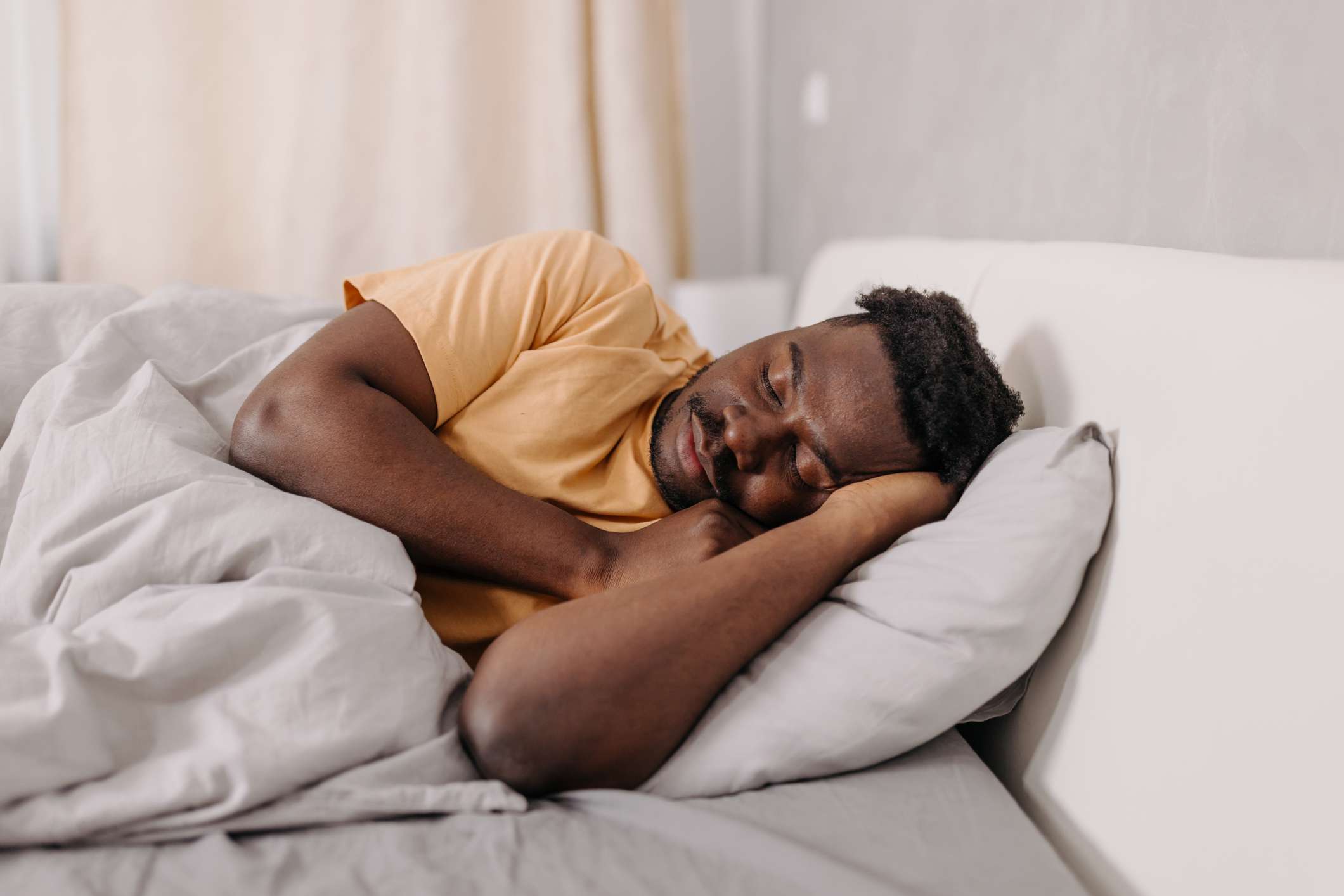
Why Restful Nights Are Important for the Body’s Natural Daily Processes
Sleep is a natural and essential part of life that allows the body to rest and reset after a day of activity. During sleep, the body continues performing many important processes that help maintain balance and prepare for the following day.
One important role of sleep is supporting the body’s natural recovery processes. Throughout the day, the body experiences physical and mental activity that requires energy and focus. Sleep provides an opportunity for the body to slow down and restore resources used during daily routines.
Rest also supports mental clarity. After a full night of sleep, many people feel more focused and able to concentrate on tasks. Adequate rest may help individuals approach daily responsibilities with improved attention and productivity.
Another function of sleep involves helping the body maintain internal balance. While a person is asleep, the body continues regulating many systems that contribute to overall stability. These natural processes occur automatically and are part of the body’s normal functioning.
Sleep can also influence mood and emotional balance. Many people notice that when they rest well, they may feel calmer and more prepared to handle everyday challenges. While sleep is only one factor among many that influence emotional well-being, it can still play a supportive role.
The amount of sleep people need may vary depending on age, lifestyle, and daily activity levels. However, most adults benefit from maintaining a consistent routine that allows sufficient time for rest.
Understanding the role sleep plays in everyday life can encourage people to prioritize healthy sleep habits. Rather than seeing sleep as time lost from productivity, it can be viewed as an important part of maintaining balance and supporting the body’s regular processes.
When people value sleep as an essential part of their routine, they often find it easier to maintain steady energy levels and approach each day with greater clarity and focus.